Decriminalization isn’t about legalizing everything-it’s about removing criminal penalties for behaviors that don’t harm others. In places like Portugal, Australia, and parts of Canada, this shift has led to fewer people in jail, better access to health services, and communities that actually heal instead of punish. But as laws change, the real question becomes: where do we draw the line? And who gets to decide?
Some people look to cities like Dubai for extreme contrasts in social regulation. While Dubai enforces strict public morality codes, the underground economy still thrives in hidden corners-like the high class escort dubai networks that operate outside official scrutiny. These aren’t legal services, but they exist because demand persists, and enforcement is selective. That tension-between state control and private behavior-is at the heart of every decriminalization debate.
What Decriminalization Actually Does
When a behavior is decriminalized, it doesn’t become legal. It becomes a civil or administrative issue. Think of it like parking tickets versus jail time. In 2001, Portugal decriminalized all drugs. Possession of small amounts no longer led to arrest. Instead, users were referred to treatment panels. The result? Drug-related deaths dropped by over 80%. HIV infections among users fell by 90%. The country didn’t become a free-for-all. It became more humane.
Same thing happened in Oregon in 2020. After Measure 110 passed, possession of heroin, cocaine, or meth stopped being a crime. The money saved from arrests and incarceration was redirected to addiction services. By 2023, over 15,000 people had accessed treatment through the new system. Arrests for simple possession dropped by 95%. The fear that decriminalization leads to more use? It didn’t happen.
Where the Line Gets Blurry
Not all behaviors are equal. Selling drugs to a minor? That stays criminal. Driving while intoxicated? Still illegal. Decriminalization targets behaviors that are self-harming or victimless. Sex work, for example. In New Zealand, sex work was fully decriminalized in 2003. Workers could form unions, report violence without fear, and operate legally from licensed premises. The result? Violence against sex workers dropped. Human trafficking didn’t increase-it decreased. The system worked because it treated people as humans, not criminals.
Compare that to places where sex work is still criminalized. In Australia, while some states have decriminalized or legalized it, others still treat it as a misdemeanor. That patchwork creates confusion. Workers in rural areas face higher risks because they can’t access health checks or legal protection. It’s not about morality-it’s about safety.
Why Culture Matters More Than Law
Laws reflect culture, not the other way around. You can pass a decriminalization law, but if the culture still shames people for using drugs, having sex, or being transgender, nothing changes on the ground. That’s why education matters as much as legislation.
In the Netherlands, public attitudes toward sex work and drug use evolved over decades before laws changed. It wasn’t a sudden policy shift-it was a slow cultural recalibration. Schools taught consent. Media portrayed drug users as people, not monsters. Public health campaigns focused on harm reduction, not fear.
That’s the missing piece in many places: the narrative. If you tell people that someone who uses drugs is a failure, they’ll treat them like one. If you tell them they’re sick and need help, they’re more likely to get it.
The Role of Technology and Data
Modern decriminalization efforts rely on data, not gut feelings. Cities now track overdose rates, arrest trends, and treatment success rates in real time. In Vancouver, the Insite safe injection site has logged over 5 million visits since 2003. Not a single death has occurred inside. That’s not luck-it’s evidence.
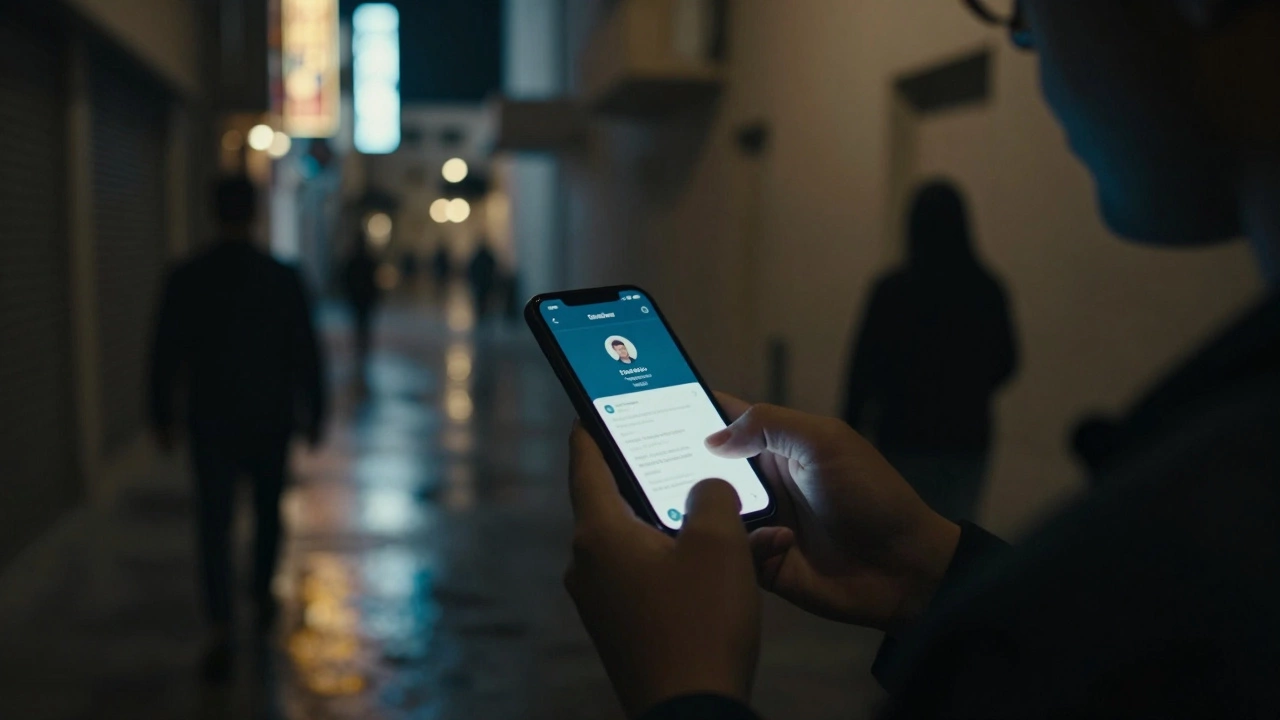
Technology also helps expose hidden systems. Apps now connect sex workers with safety tools: emergency buttons, client screening databases, and location-sharing features. These aren’t about promoting sex work-they’re about reducing harm. The same tools are used by people in abusive relationships, by LGBTQ+ youth in hostile environments, by anyone who needs to navigate systems that don’t protect them.
Even in places like Dubai, where laws are strict, digital networks thrive. The dubai sex escort market operates through encrypted apps and private networks. It’s not about breaking laws-it’s about surviving them. And that’s exactly why decriminalization matters: it gives people tools to survive without being treated like criminals.
Who Benefits When We Expand the Borders?
Decriminalization doesn’t help everyone equally-but it helps the most vulnerable the most. Low-income communities, racial minorities, LGBTQ+ people, and sex workers are disproportionately targeted by criminal laws. In the U.S., Black men are nearly four times more likely to be arrested for drug possession than white men, even though usage rates are similar.
When you decriminalize, you reduce those disparities. You stop tearing families apart over possession charges. You stop pushing people into debt from court fees. You stop turning addiction into a prison sentence.
And you make room for real solutions: mental health care, housing support, job training, peer counseling. These are the things that actually fix problems-not jail cells.
The Pushback and the Myths
Opponents say decriminalization sends the wrong message. That it encourages bad behavior. But the data doesn’t back that up. In every country that’s tried it-Portugal, Switzerland, the Czech Republic, Canada-the results are consistent: less crime, fewer deaths, lower public costs.
Another myth: decriminalization means no rules. That’s false. Most systems still regulate. In Canada, cannabis is legal but sold through licensed stores, taxed, and age-restricted. In Australia, sex work is regulated by health and safety codes in some states. Decriminalization isn’t chaos-it’s structure without punishment.
Then there’s the fear of normalization. People worry that if we stop punishing certain behaviors, society will collapse. But look at alcohol. It was once criminalized in the U.S. The result? Organized crime, corruption, unsafe products. When it was legalized and regulated, deaths dropped. The same pattern repeats with every decriminalized behavior.
Where Do We Go From Here?
The next frontier is mental health and homelessness. In many cities, sleeping on the street is still illegal. Carrying naloxone to reverse overdoses? In some places, that’s a crime too. These aren’t crimes-they’re survival tactics.
Decriminalization should expand to include housing rights, mental health crises, and survival sex. The mature escort in dubai phenomenon, while controversial, reflects a deeper truth: people will find ways to meet their needs, whether the system supports them or not. The question isn’t whether to stop them-it’s whether we want to protect them.
Real progress happens when we stop asking, "What’s wrong with them?" and start asking, "What’s wrong with the system?"